EV Charging Parking Locks
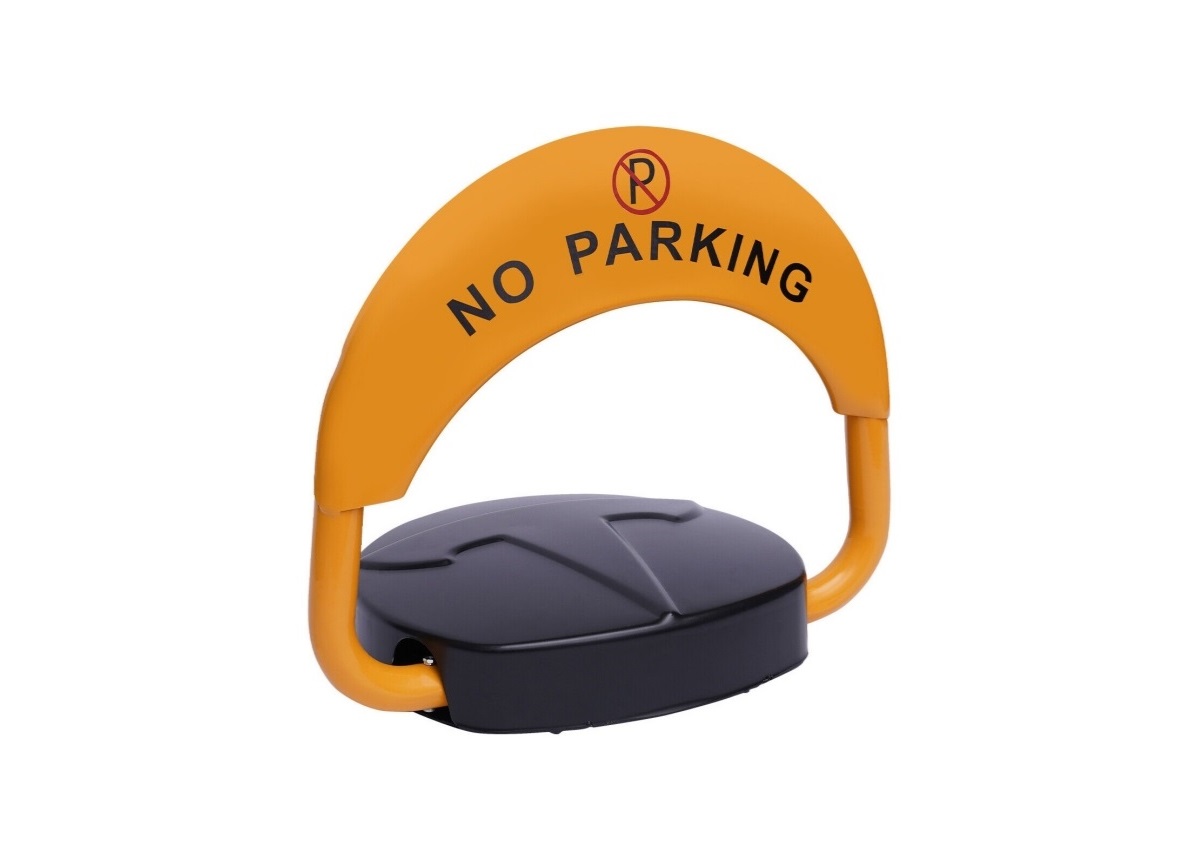
EV Charging Parking Locks pairs smart parking locks with EV charging points inside a building's parking lots. Residents locate an available charging spot, reserve it, and start a charging session from the app, with invoicing, billing and online payment handled automatically once the session ends.
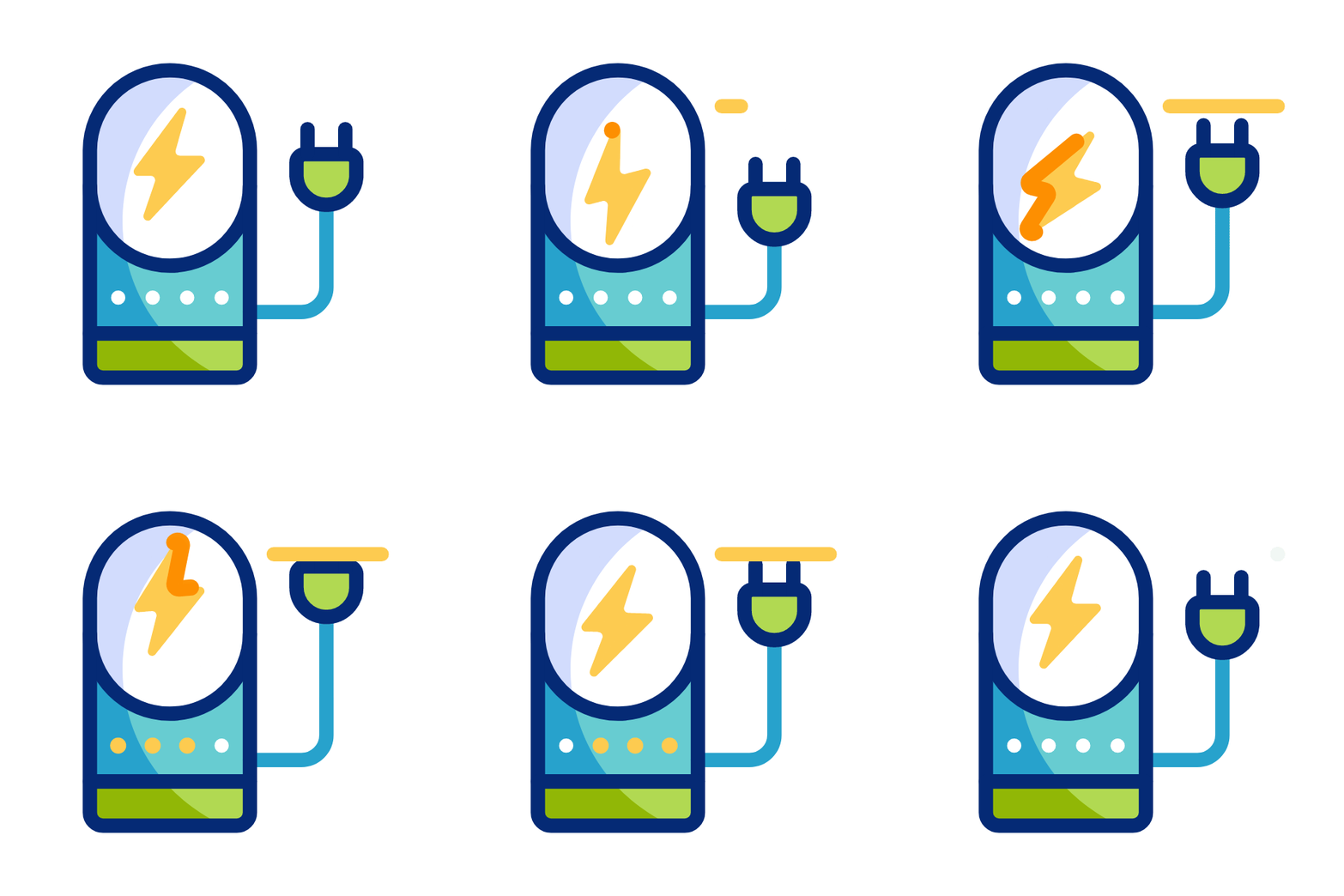
Locks drop, meters run, invoices post themselves
6 bays, 2 charging, RM 10.29 metering now
| Bay | Connector and rate | Parking lock | Controller readout | Battery | This session | Control |
|---|
Press the button on any bay. The lock drops, the meter starts counting minutes, and the invoice is raised the moment the session ends.
A demonstration rack, not a live one. No invoice is ever raised from it. The demo clock runs one minute every second, which is why a DC bay visibly outfills an AC bay while you watch.
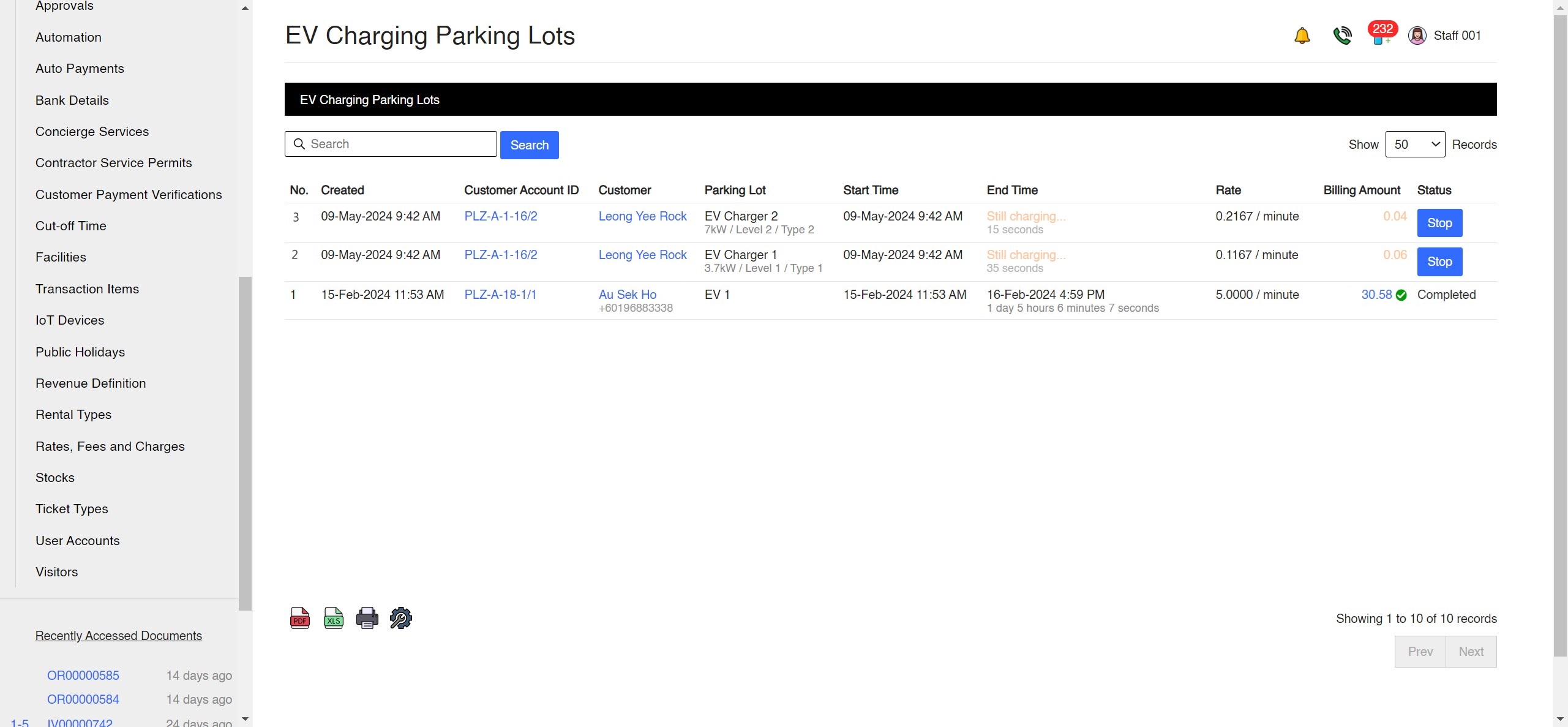
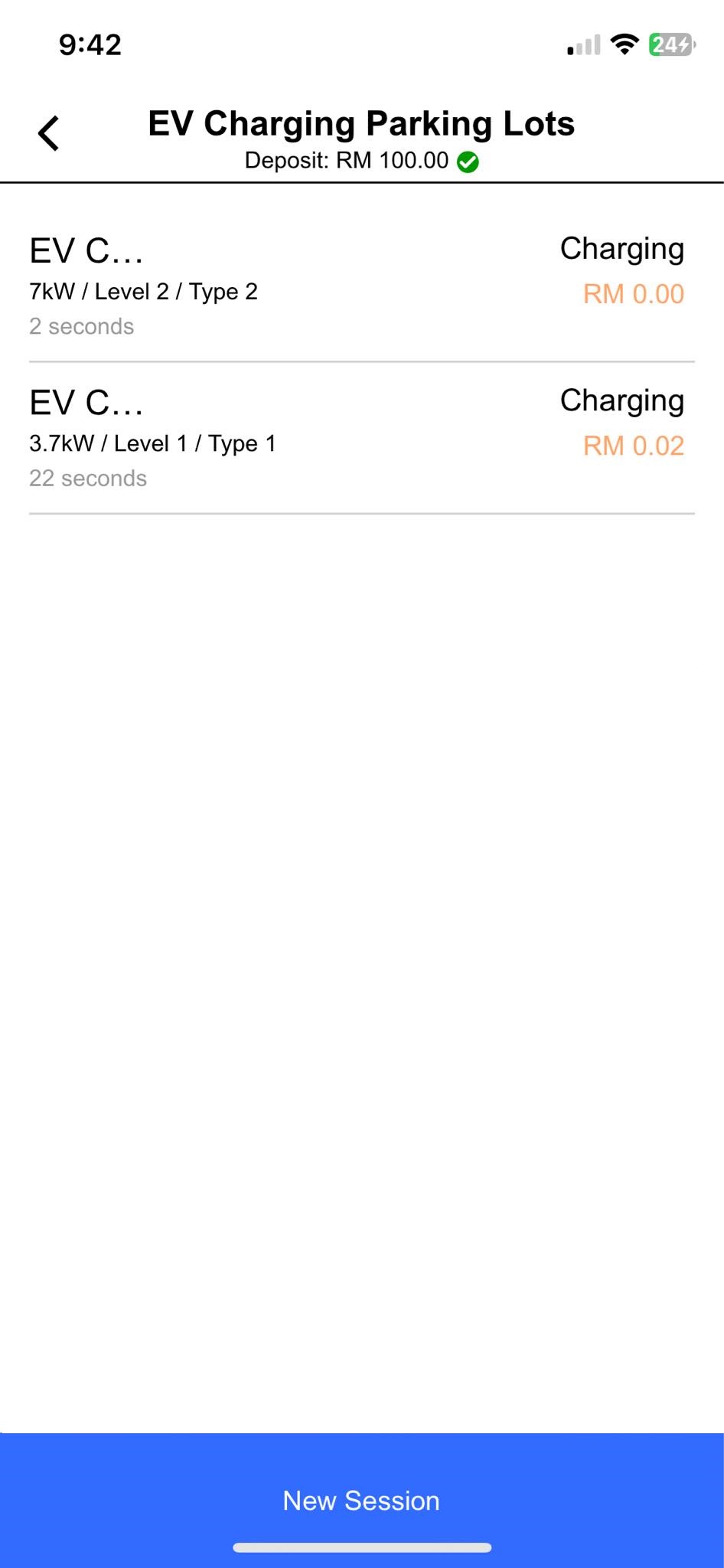
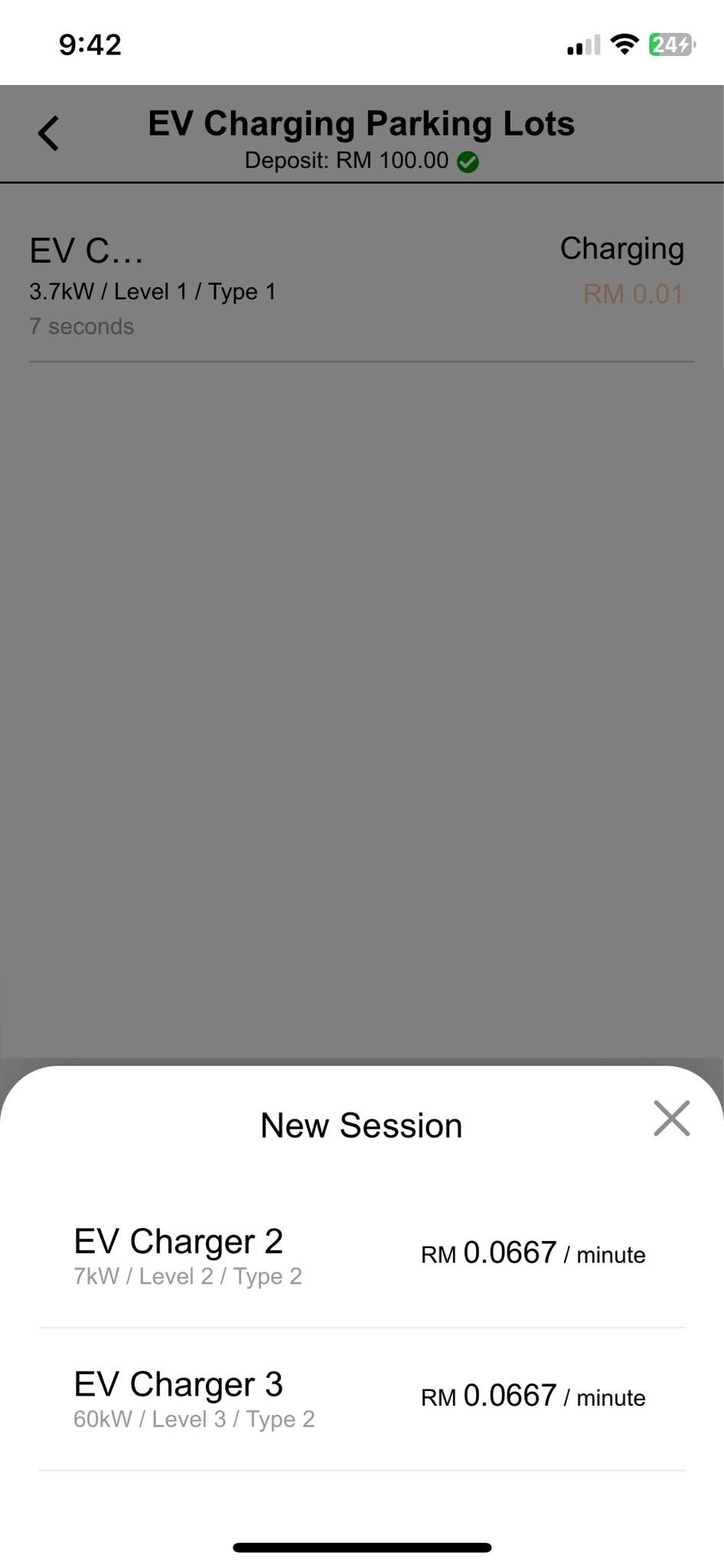
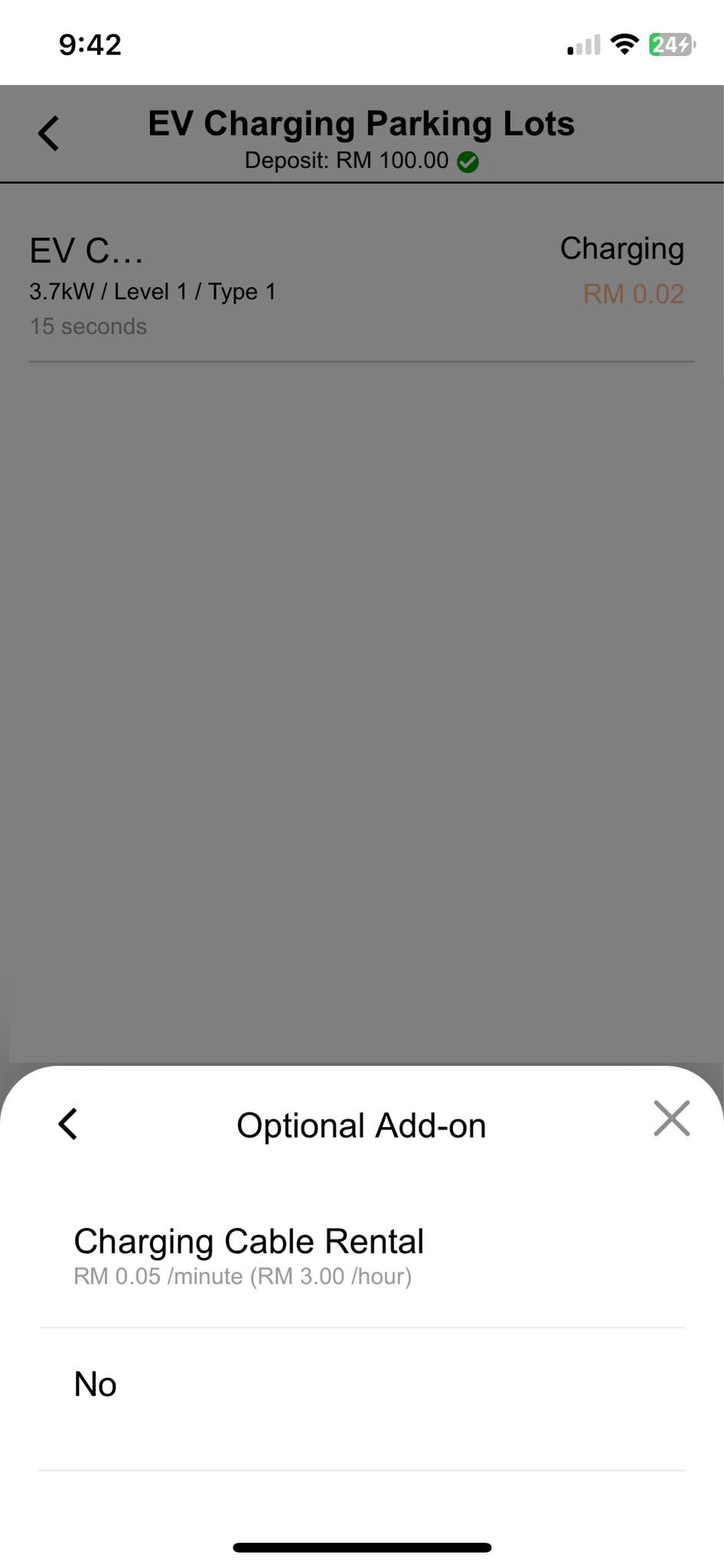
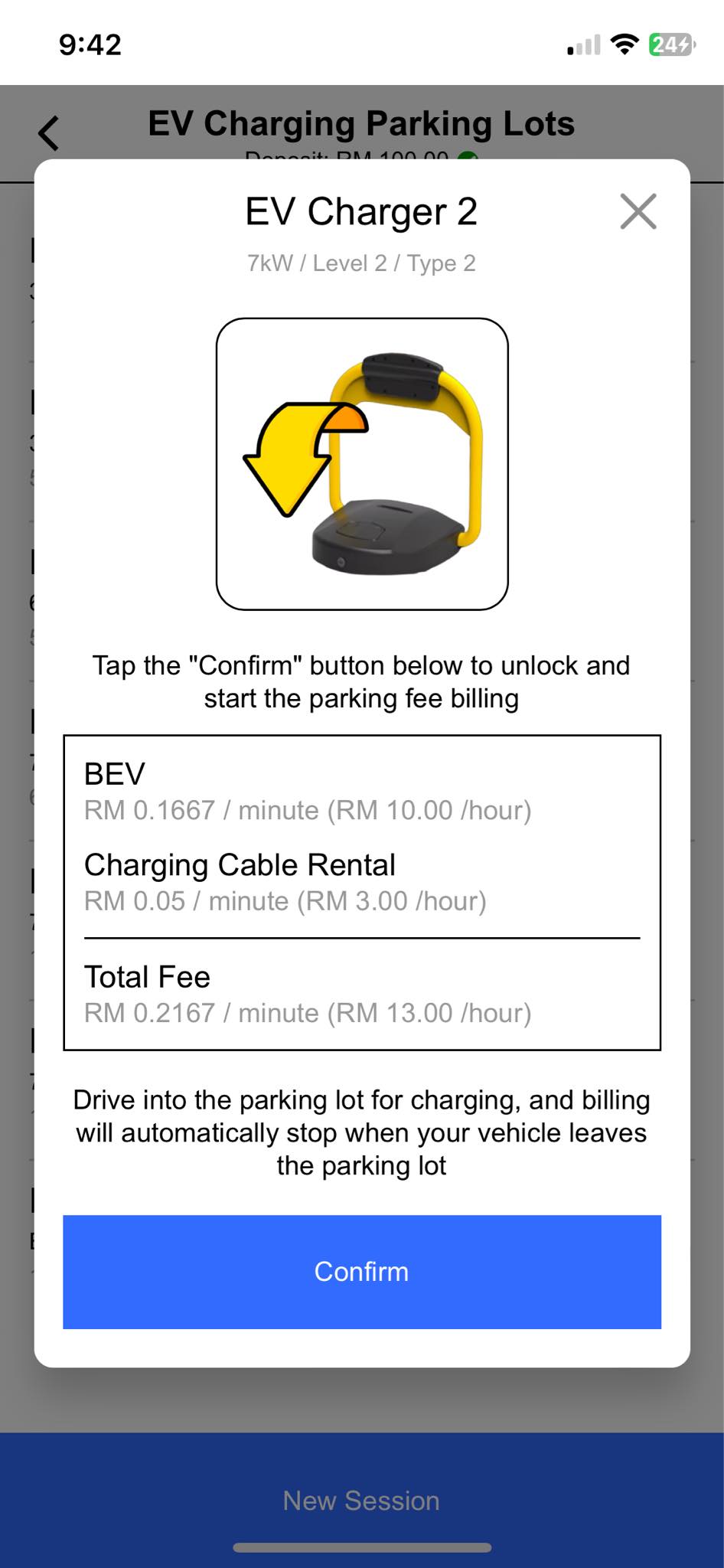
EV Charging Parking Locks on screen
The management console and the resident app, captured from the live product.

Battery Safety Information (Reference Only)
The notes below are general EV battery reference material for drivers and building managers. They are background information only and are not features of the EV Charging Parking Locks app. Understanding battery degradation helps EV owners choose better charging habits. The two main battery chemistries in EVs today are LFP (Lithium Iron Phosphate) and NMC (Nickel Manganese Cobalt), each with distinct characteristics and optimal usage patterns.
LFP Battery (Lithium Iron Phosphate)
LFP batteries are commonly found in Tesla Standard Range models, BYD vehicles, and many Chinese EVs. They are known for being more tolerant of higher charge levels and have longer cycle life but lower energy density than NMC.
LFP Degradation Mechanisms
LFP SOC Level Impact on Degradation
LFP Risk Assessment by Usage Pattern
LFP Recommended Charging Patterns
LFP Special Considerations
NMC Battery (Nickel Manganese Cobalt)
NMC batteries are found in most premium EVs including Tesla Long Range models, BMW, Mercedes, Hyundai/Kia, and many others. They offer higher energy density than LFP but are more sensitive to high states of charge and require more careful management.
NMC Degradation Mechanisms
NMC: The "Unholy Trinity" of Degradation
Degradation = Time × High SOC × Temperature
These three factors work together to accelerate NMC battery aging. Calendar aging (capacity and power loss during rest) approximately doubles when SOC is above 90% combined with temperatures exceeding 45°C. Even without cycling, simply storing an NMC battery at high SOC causes degradation.
NMC SOC Level Impact on Degradation
NMC Recommended Charging Patterns
NMC Special Considerations
LFP vs NMC Comparison
| Characteristic | LFP Battery | NMC Battery |
|---|---|---|
| Energy Density | Lower (heavier for same capacity) | Higher (lighter weight) |
| Cycle Life | Higher (2000-5000+ cycles) | Moderate (1000-2000 cycles) |
| High SOC Tolerance | More tolerant | Less tolerant (sensitive) |
| Daily Charge Limit | 80-100% acceptable | 80-90% recommended |
| Optimal Daily Range | 20-80% | 20-80% (ideally 30-70%) |
| Best Average SOC | 40-50% | 40-50% (lower is better) |
| 100% Charge Frequency | Weekly (for BMS calibration) | Monthly (for cell balancing) |
| Cold Weather Performance | Slower warm-up | Better cold performance |
| Thermal Stability | More stable (safer) | Requires more thermal management |
| Cost | Lower cost | Higher cost |
| Primary Degradation Factor | SEI growth, Fe dissolution | Cathode instability, TM dissolution |
Why Manufacturers Say "Don't Go Below 20%"
The 20% lower limit recommendation is NOT primarily because of cell chemistry degradation from cycling through low SOC. Research shows that cycling through low SOC (even 0-25%) actually has very low degradation for both LFP and NMC batteries. The recommendations exist for practical operational reasons:
Universal Best Practices for All EV Batteries
Key Insight
The optimal zone for daily operation is 20-80% SOC for both battery types, with an ideal average around 50%. For LFP, you have more flexibility at the top end. For NMC, staying below 80% daily provides significant longevity benefits. Both chemistries benefit from avoiding prolonged storage at extreme states of charge. Modern EVs with proper battery management are designed to outlast the vehicle - these practices simply optimize that already-impressive lifespan.
EV Charging Parking Locks at work
What these features look like on the ground, in a Malaysian property.


EV Charging Parking Locks features
Everything included, in one place.
- Real-time monitoring of charging progress with a live elapsed timer
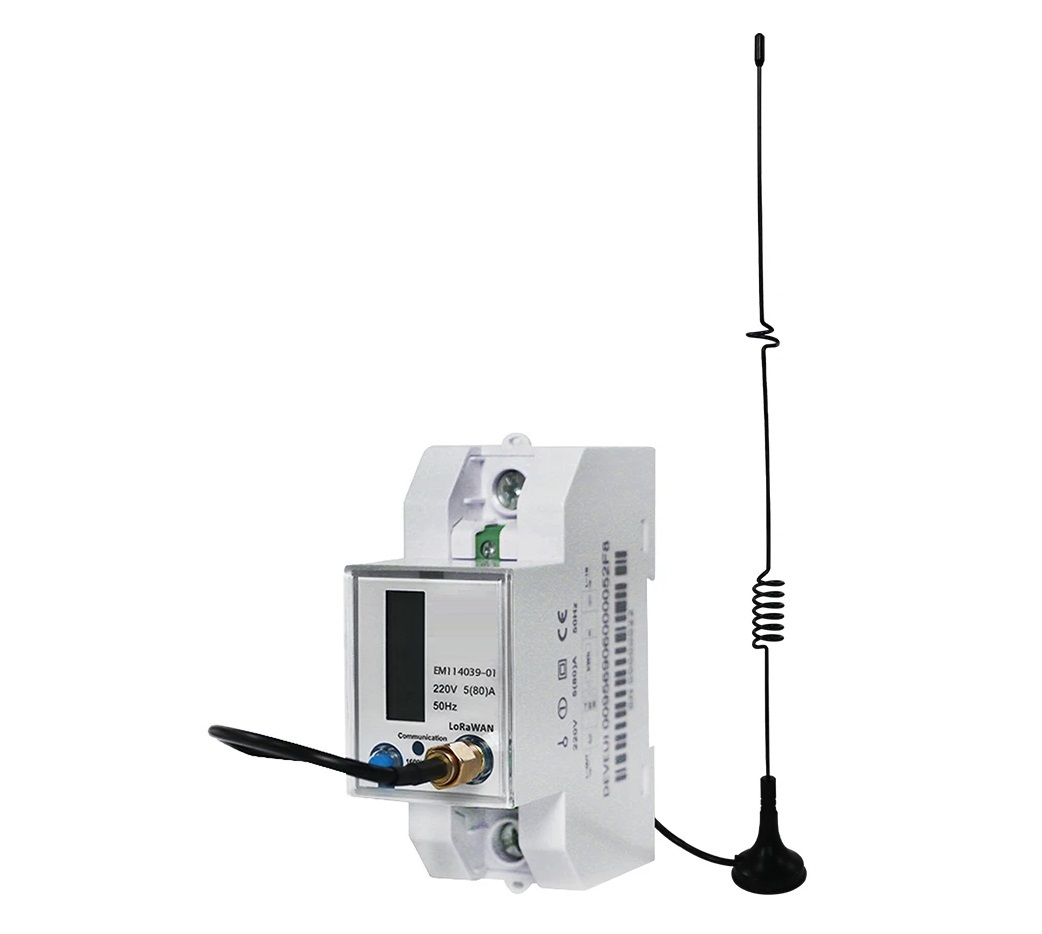
- Per-minute metering, so residents pay for exactly what they use
- Tracking of charging costs in real-time as the session runs
- Separate rate cards per bay, including AC and DC fast charging
- Optional smart parking lock paired to each EV bay, so a non-EV car cannot squat the charger
- Lock drops automatically when a session starts and lifts the moment it ends
- Parking lock device registry with device ID, server, port and send and receive topics
- Device heartbeat monitoring, command latency tracking and remote test lift and drop
- One-time refundable deposit workflow with its own invoice, receipt and refund trail
- Automatic invoice on session end, with receipt issued on payment
- Compatibility with FPX online banking, e-wallet and card payments
- Historical charging data for analysis and comparison, per resident and per bay
- Bay maintenance mode that hides a bay from residents and holds its lock raised
- Visitor bays with optional time caps so nobody parks all day on a charger
- Session listing, bay utilisation, revenue by rate card, deposit register, unpaid ageing and lock command audit reports
- Exports to PDF, CSV or Excel, with every charge traceable to a line on the resident ledger
AI IoT Industry Solutions
Six industry solutions built from these apps: facility booking, class scheduling, snooker centre, gym and fitness, RFID tracking, membership.AI-powered, IoT-connected systems built for every industry vertical.

AI IoT Facility Booking
AI-optimized scheduling with IoT occupancy sensors for courts, pools and halls

AI IoT Class Scheduling
AI-powered class scheduling with IoT capacity tracking and automated instructor assignment

AI IoT Snooker Center
IoT-automated table lighting, AI billing analytics and real-time occupancy dashboard

AI IoT Gym & Fitness
AI face recognition, IoT RFID check-in, smart billing and IoT-connected trainer scheduling

AI IoT RFID Tracking
IoT RFID sensors for real-time asset tracking, AI stock alerts and cloud-based management

AI IoT Membership
AI-powered membership tiers, IoT access integration and automated loyalty rewards